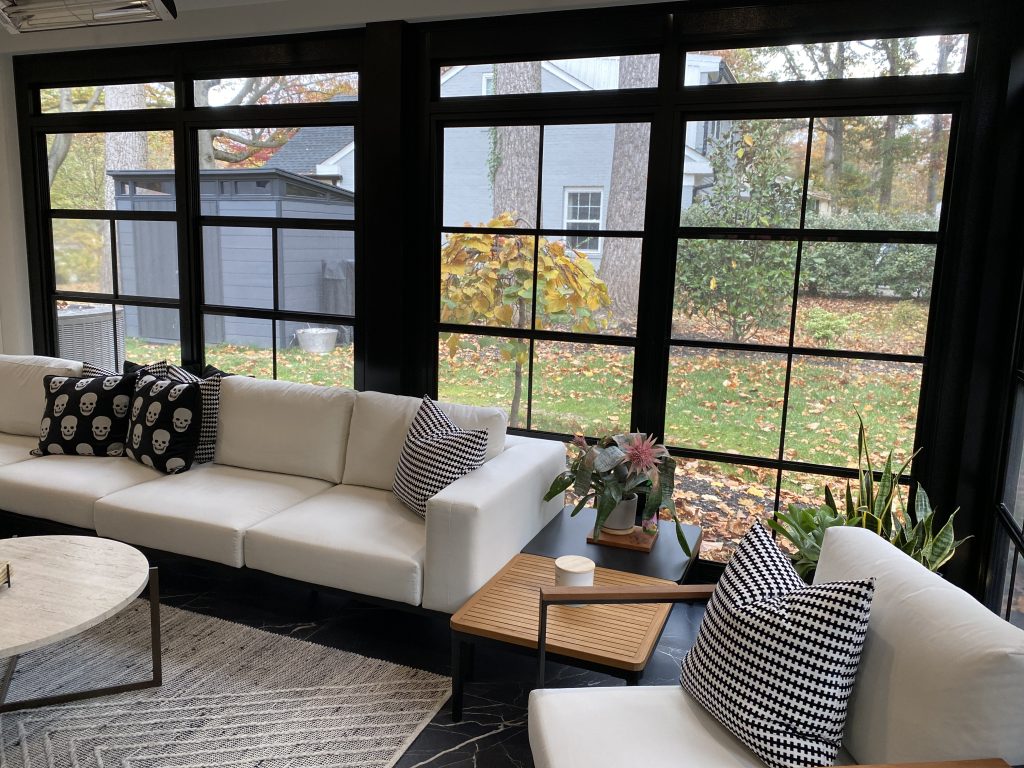
When you’re planning a home project—whether it’s building new, remodeling, or simply giving your rooms a refresh—you’ll encounter three key roles: residential architect, interior designer, and interior decorator. While their skills and responsibilities sometimes overlap, each professional brings a unique perspective and expertise to your project. Understanding these differences can help you choose the right team for your vision—and, in many cases, the right combination of all three.
Residential Architect
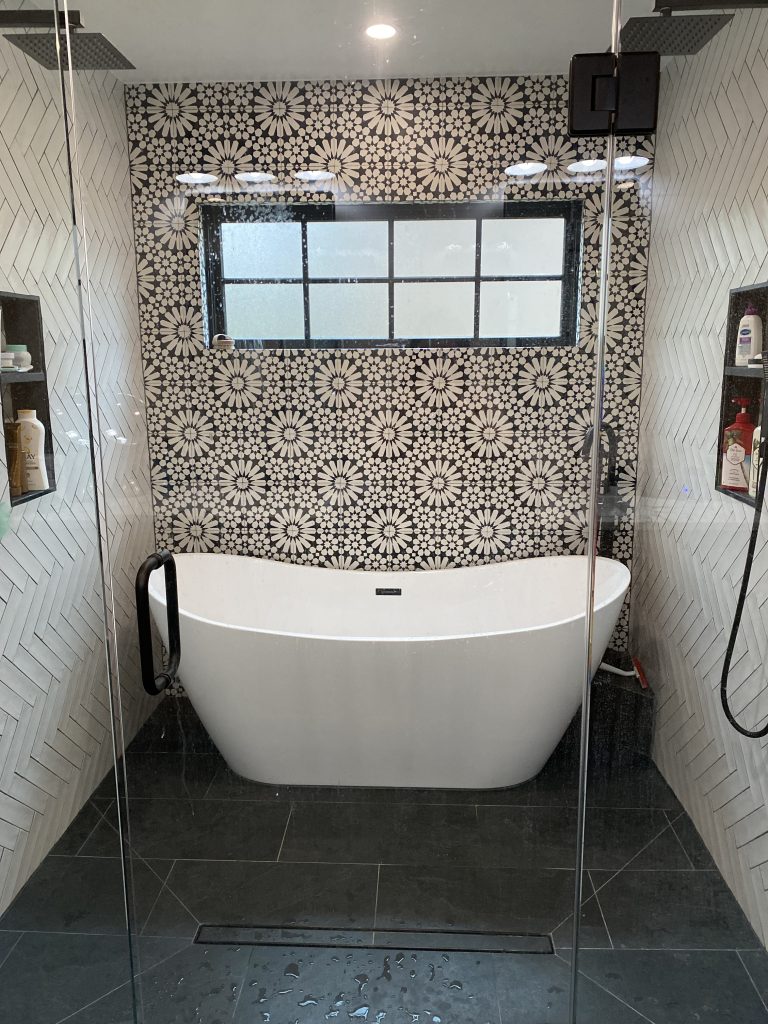
A residential architect focuses on the structure, function, and overall
design of a home from the ground up. They create floor plans, ensure compliance with building codes, and think through the technical aspects of construction. Architects consider both aesthetics and practicality—how the home will look and how it will stand. Their work often begins before a shovel even hits the ground, and
they continue to guide the project through permitting and construction phases.
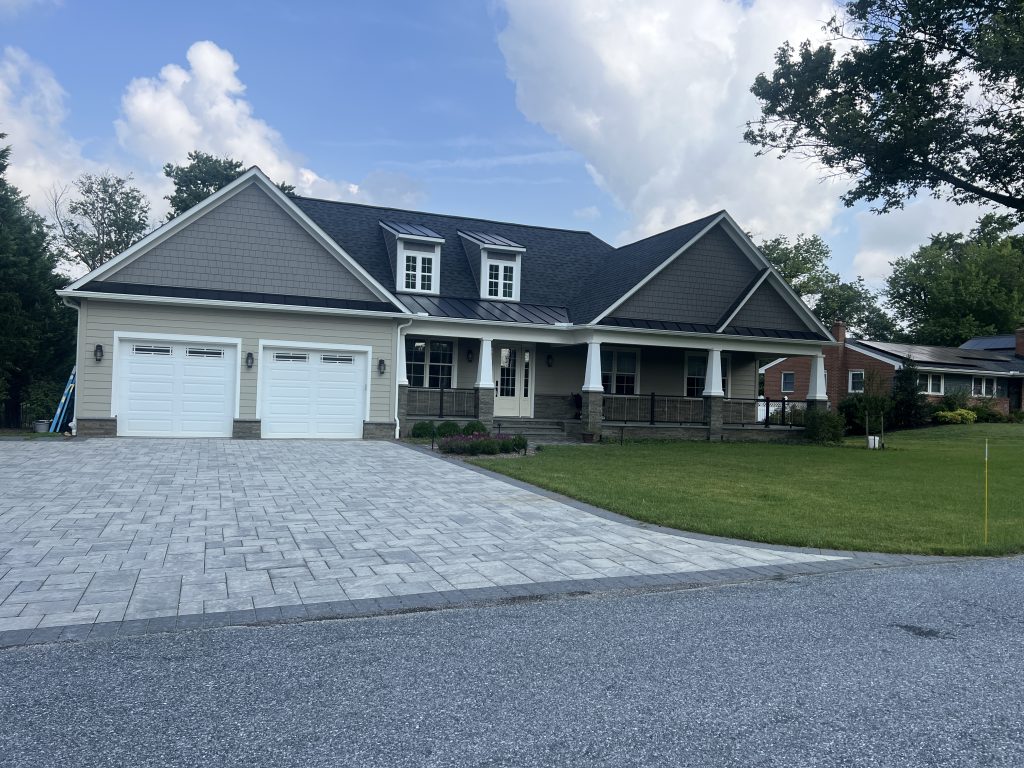
Key strengths:
-
Designing the layout and structure of the home
-
Ensuring safety and code compliance
-
Integrating form and function from the start
Interior Designer

An interior designer bridges the gap between structure and style. While they don’t typically alter the home’s main load-bearing structure
(that’s the architect’s domain), they do wor
k with spatial planning, lighting design, cabinetry layouts, finishes, and materials. They ensure each room functions well for your lifestyle while achieving a cohesive aesthetic. Many interior designers are trained to create technical drawings, select finishes, and oversee installation.
Key strengths:
-
Planning functional and beautiful interiors
-
Selecting materials, finishes, and lighting
-
Coordinating with contractors to bring the design to life
Interior Decorator

An interior decorator comes in once the structural and functional
elements are set. Their focus is purely on the look and feel of a space—furniture, rugs, artwork, accessories, and color schemes. While they don’t move walls or design cabinetry, they excel in curating pieces and styling rooms to reflect a client’s taste. A decorator’s expertise can take a finished room from nice to “wow.”
Key strengths:
-
Selecting furniture, décor, and accessories
-
Styling spaces for beauty and personality
-
Creating cohesive color palettes and mood
Where They Overlap
The lines between these roles aren’t always strict. An architect may help with finish selections, an interior designer may specify furniture, and a decorator may have input on paint colors before construction wraps. Collaboration between all three ensures that your home’s design flows seamlessly from structure to function to final styling.
How Transforming Architecture Brings It All Together
At Transforming Architecture, you don’t have to juggle multiple firms to achieve your dream home. We are a one-stop shop—with licensed architects, experienced interior designers, talented kitchen designers, and a full kitchen showroom all under one roof. This means your project benefits from seamless collaboration, efficient communication, and a unified vision from the first sketch to the final accessory. Whether you need structural expertise, functional planning, or the perfect finishing touches, our team has you covered every step of the way.